Become a medical assistant in as little as 5 months, with small hands-on classes in Gardena. Mornings, full days, or evenings.
Pick the schedule that fits your life
92% of our 2024 Medical Assistant graduates are working in the field.*
*13 of 14 graduates, Medical Assistant program only, per the 2024 School Performance Fact Sheet. Employment is not guaranteed.
Both programs prepare you to work as a medical assistant. The difference is scope and schedule. Not sure which fits? Send the form without choosing and an advisor will walk you through it.
| Clinical Medical AssistantClinical skills, fastest path | Medical Assistant, daysFront office and clinical | Medical Assistant, eveningsFront office and clinical | |
|---|---|---|---|
| Length | About 5 months440 clock hours | 6 months720 clock hours | 8 months720 clock hours |
| Schedule | Mon to Fri, 8:30 a.m. to 12:30 p.m.Live online Mon to Thu, hands-on labs on campus Fridays | Mon to Thu, 8:30 a.m. to 3:30 p.m.In person on campus | Mon to Fri, 4:00 to 8:00 p.m.Hybrid, part online and part on campus |
| What you learn | Vital signs, blood draws, injections, EKGs, specimen collection, patient care | Everything clinical, plus scheduling, records, and front office work | Same curriculum as the day program |
| Externship | 80 supervised hours | 160 supervised hours | 160 supervised hours |
| Exam it prepares you for | NHA Certified Clinical Medical Assistant (CCMA)One exam attempt included | NCCT National Certified Medical Assistant (NCMA) | NCCT National Certified Medical Assistant (NCMA) |
| Tuition | $3,995 paid upfrontOr $4,250 on a 16-month plan: $250 down, then $250 a month. Books, uniform, supplies, and the CCMA exam included. | $6,000 paid upfrontBooks and registration included. Or $7,000 on a 20-month interest-free plan. A loan option through a tuition financing partner is also available. | $6,000 paid upfrontBooks and registration included. Or $7,000 on a 20-month interest-free plan. A loan option through a tuition financing partner is also available. |
| Choose Clinical MA | Choose MA days | Choose MA evenings |
Both programs award an MHCC Certificate of Completion. Certification is awarded by the NHA or NCCT after you pass their exam, not by MHCC. Loan option subject to approval; interest applies.
Medical assistants keep a clinic running. You are the one who takes the vitals, preps the room, and makes a nervous patient feel looked after before the provider walks in.
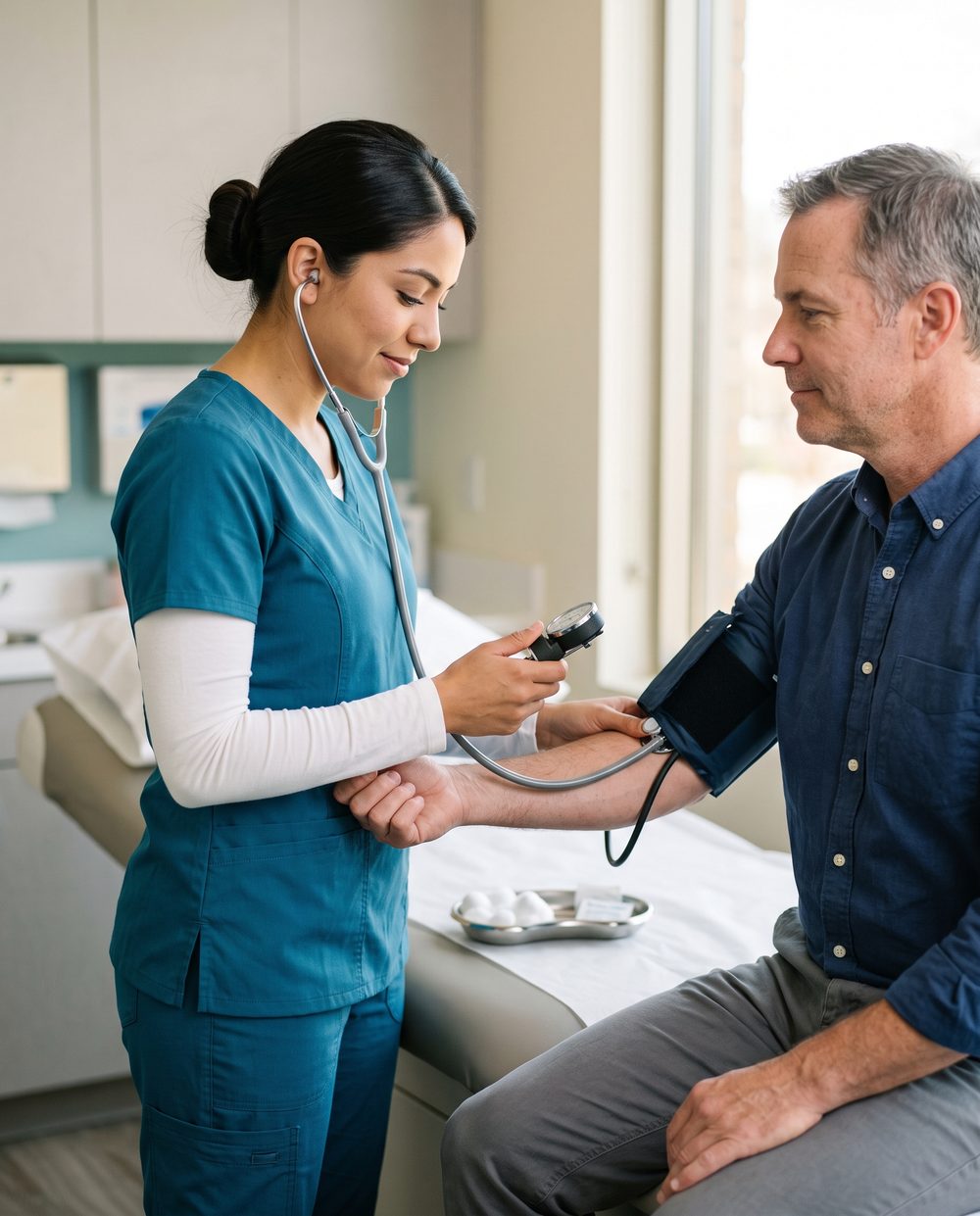
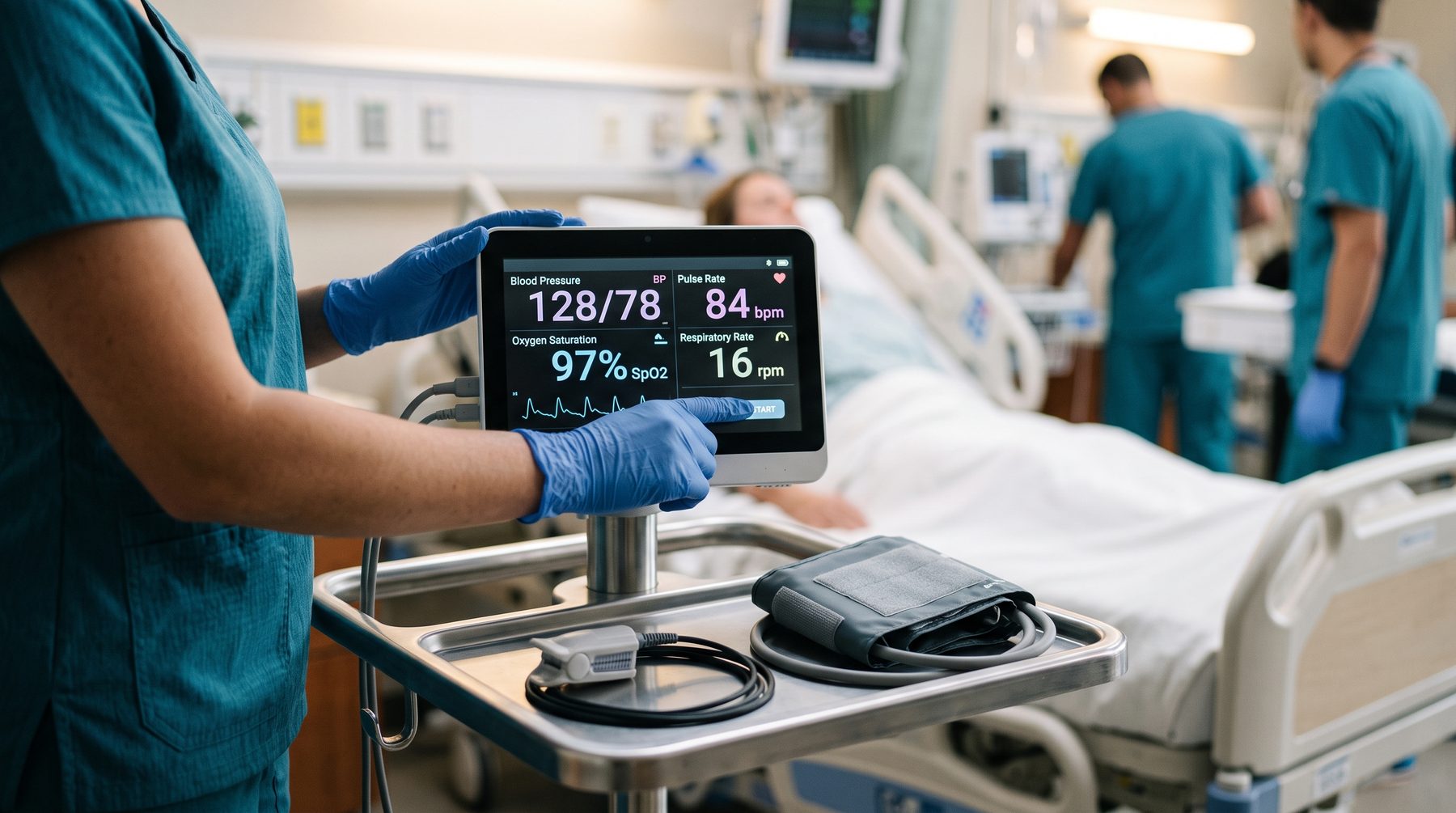
Blood pressure, pulse, temperature, oxygen. Providers make decisions from what you record, so you learn to take vitals accurately every time.
Blood draws, injections, EKGs, and specimen collection. Real procedures, practiced on real equipment until your hands know them.
People walk in worried. Explaining what happens next in plain language is part of the job, and it is the part patients remember.
Every class is taught live, whether you are on campus or joining online. Lab days happen in our Gardena clinical classroom, with exam tables, blood draw chairs, an EKG machine, and an instructor close enough to correct your technique.
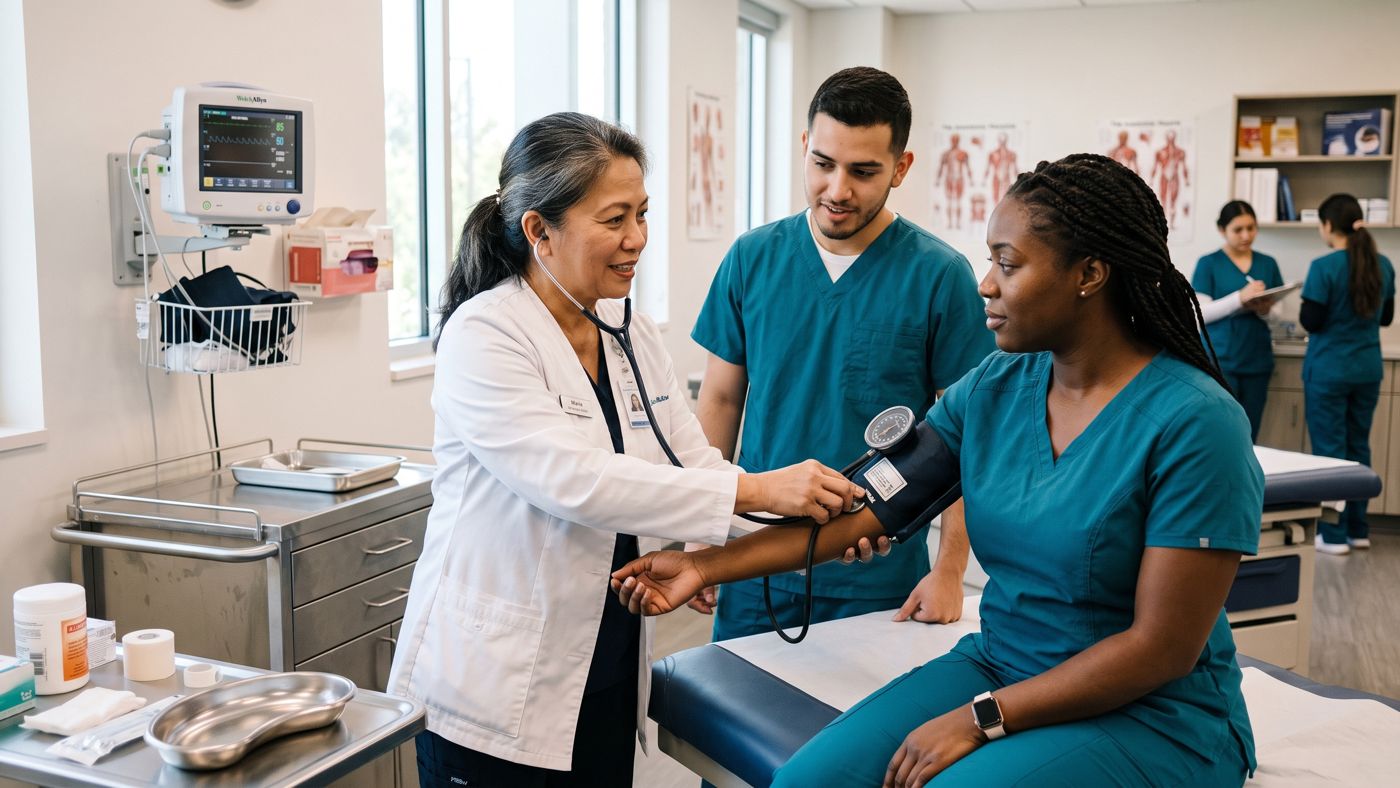
Labs are capped at 16 students, so you get repetitions and real-time corrections instead of a seat in the back.
Exam tables, blood draw chairs, an autoclave, an EKG machine, and an AED. You practice on the equipment you will use at work.
Our medical assistant faculty bring decades of clinical experience and teach the job the way it is done in a working clinic.
Resume help, mock interviews, an externship placement, and job search support after you graduate, at no extra cost.
Most of our students were not in healthcare a year ago. They were closing shifts, covering for coworkers, and waiting for next week's schedule.
If you want the fastest path and can make weekday mornings work, Clinical Medical Assistant takes about 5 months and focuses on clinical skills. If you want the broader role, including front office work, the Medical Assistant program takes 6 months in person during the day or 8 months in the evening. Still unsure? Send the form without choosing a program and an advisor will help you weigh it.
No. Our programs are built for working adults, and most of our students are in their twenties and thirties, coming from retail, food service, or office work. You will not be the oldest person in the room.
Clinical Medical Assistant is $3,995 paid upfront, or $4,250 on a 16-month plan with $250 down and $250 a month. The Medical Assistant program is $6,000 paid upfront, or $7,000 on a 20-month interest-free plan. Both prices include books and registration, so paying upfront saves you $1,000. A loan option through a tuition financing partner is also available. MHCC students are not eligible for federal financial aid.
Not to enroll in either program. To sit for the certification exam afterward, though, both the NHA (CCMA exam) and NCCT (NCMA exam) require a high school diploma or equivalent. If you do not have one yet, tell your advisor and they will help you plan the order of steps.
That is why there are three schedules. The evening Medical Assistant program runs 4:00 to 8:00 p.m., and Clinical Medical Assistant classes end at 12:30 p.m. Tell your advisor what your week looks like and they will tell you honestly which option fits.
Career Services supports you with resumes, interview practice, externship placement, and job search help. 92% of our 2024 Medical Assistant graduates are working in the field. Employment is not guaranteed, and the job search after graduation is yours to drive, with our support.
Classes are small on purpose, so seats are limited. Send your details and an advisor will tell you where the next start date stands for each program.